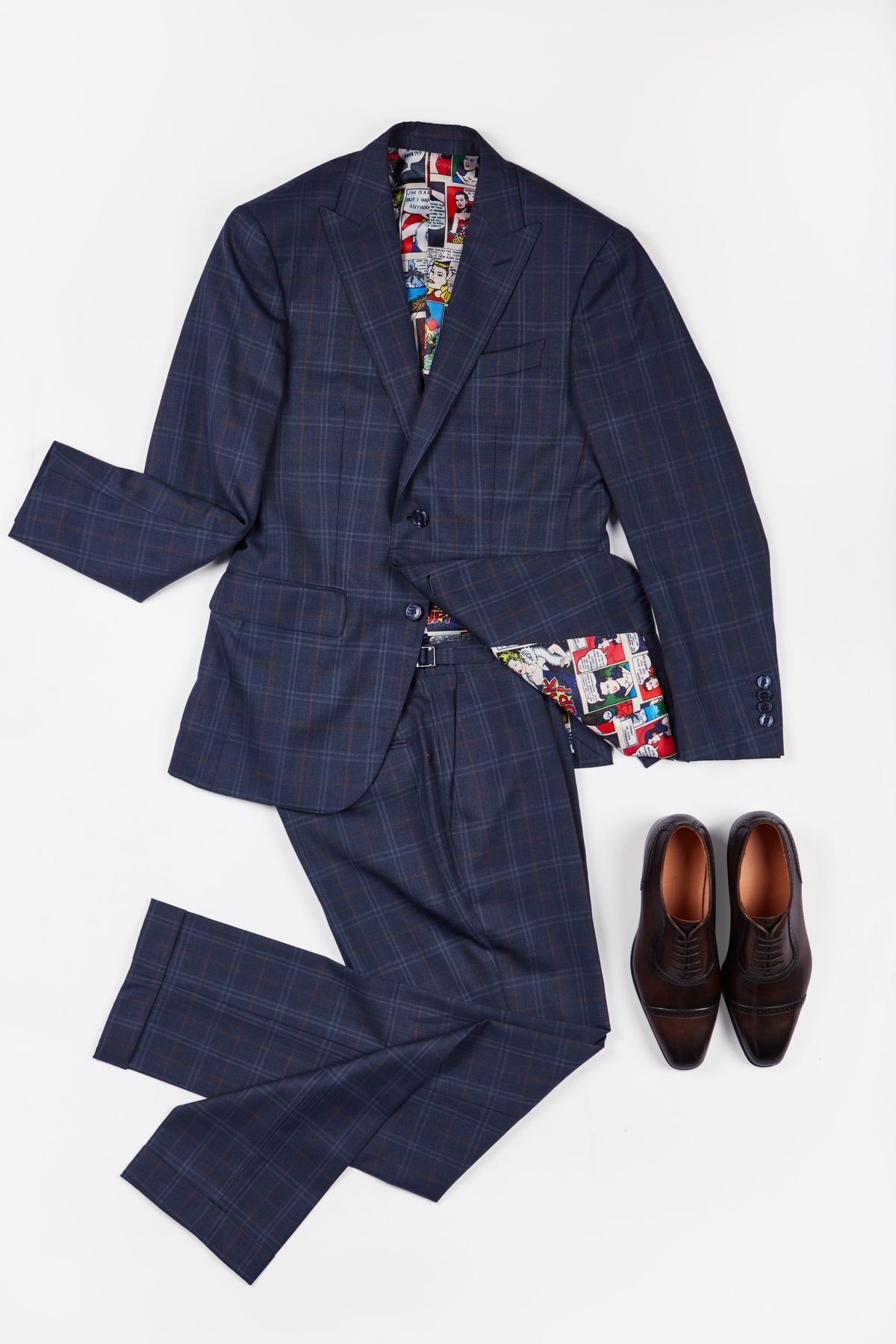
A Brand Visual System for Public-Facing Teams
How HARCHOY applied the 3D Methodology to a major transit cluster, turning a workforce into "Walking Brand Super Symbols" through a cohesive brand visual system.
Read More →Expert guides on bespoke manufacturing, fabric selection, DDP logistics, and building a successful tailoring business.
How HARCHOY applied the 3D Methodology to a major transit cluster, turning a workforce into "Walking Brand Super Symbols" through a cohesive brand visual system.
Read More →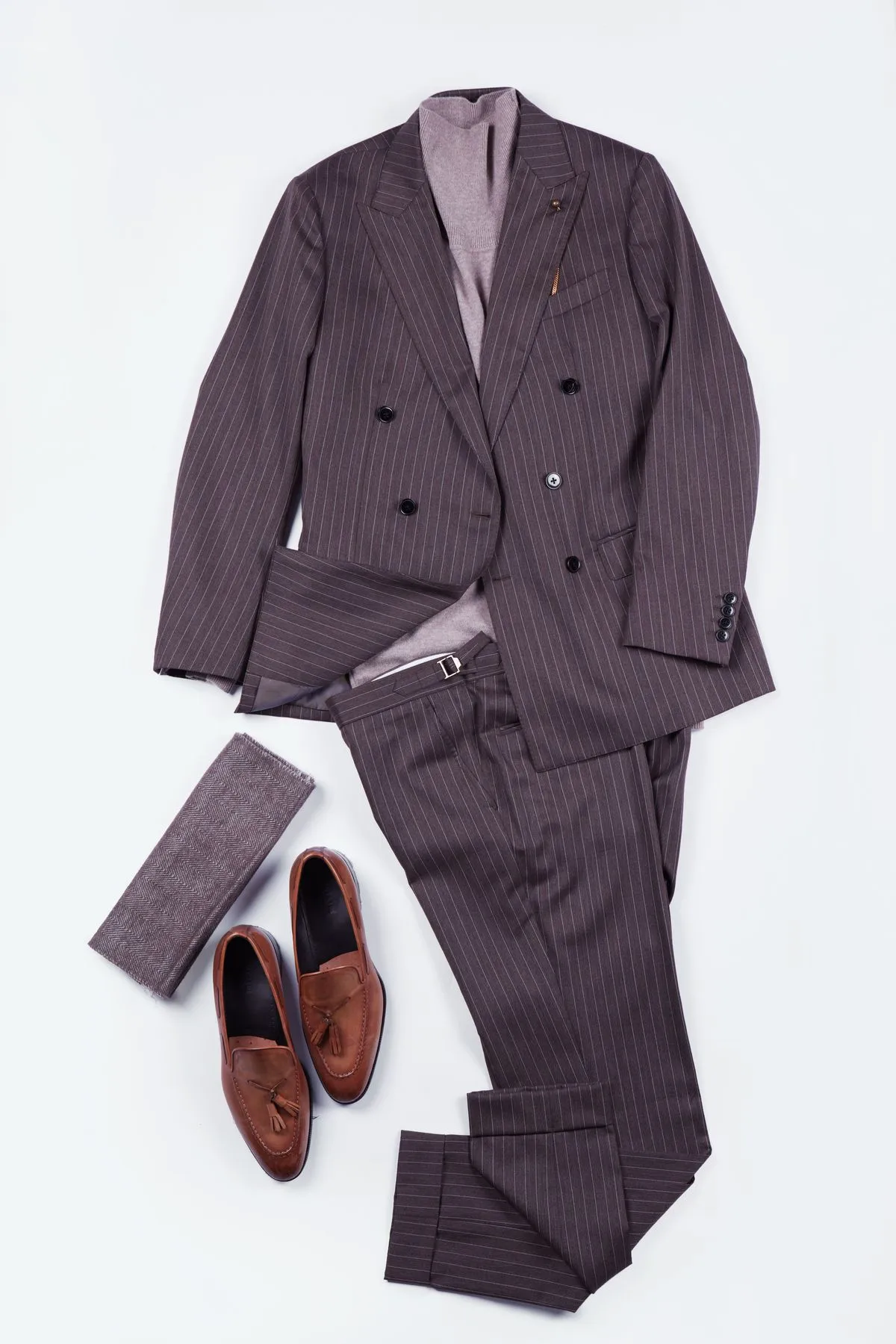
Is your team's appearance a liability or an asset? Learn how a Global Pattern Standard and the science of Enclothed Cognition can transform team attire into a measurable ROI driver.
Read More →
A strategic blueprint for tailors and ateliers to launch their private label suit line. Learn about our 3D Methodology, Digital Pattern Archiving, and DDP shipping solutions.
Read More →
I researched the top bespoke suit manufacturers. None of them openly discuss import duties. Here's why that silence is costing tailoring studios thousands per order — and how DDP changes the math entirely.
Read More →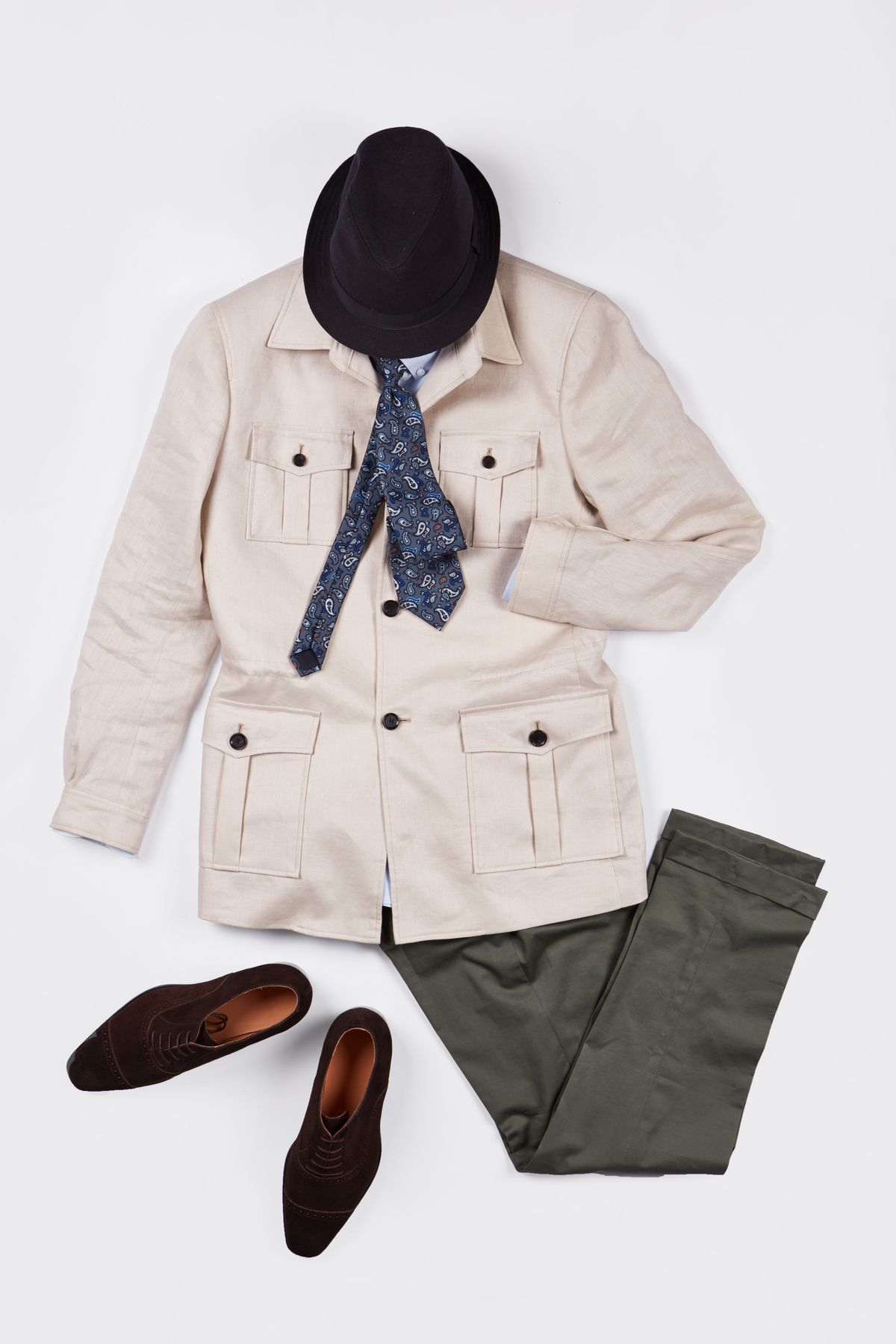
Selecting the right manufacturing partner can make or break your tailoring business. Here are the seven critical questions you must ask before committing to any OEM suit factory.
Read More →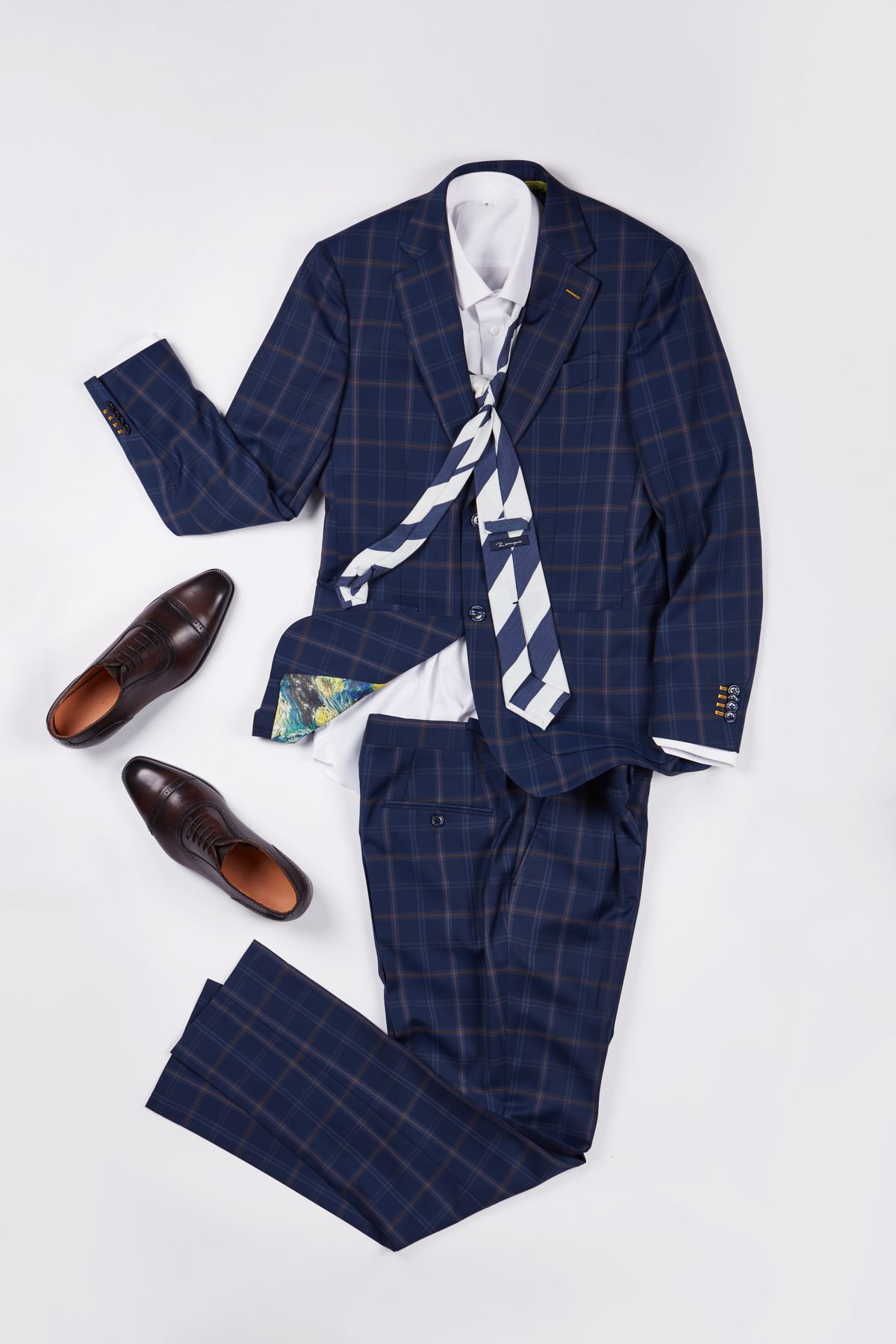
Delivered Duty Paid (DDP) eliminates the biggest headache for overseas buyers — surprise import costs. Learn how DDP works, why it matters, and how HARCHOY handles end-to-end delivery.
Read More →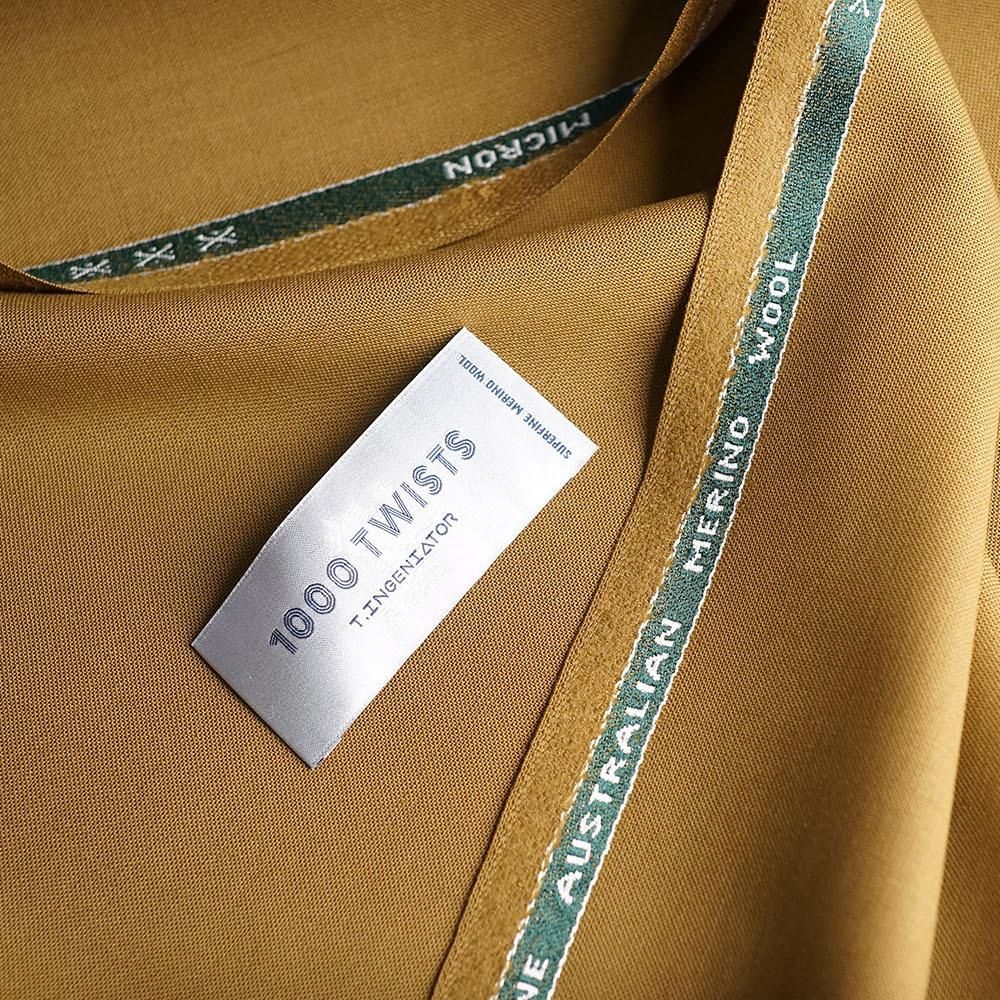
From Super 100s to Super 200s, from Merino to Cashmere blends — understand the differences in wool grades so you can guide your clients to the perfect fabric.
Read More →
Should you invest in your own production line or partner with an OEM manufacturer? We break down the costs, timeframes, and quality implications of each approach.
Read More →.jpg)
Trace the journey of luxury textiles from Biella, Bishu, and Milan to the cutting table. How Loro Piana, NISHIOKA Orimono, and Milano Hemp define what's possible in bespoke tailoring.
Read More →
Follow one suit order through the entire manufacturing process — from a tailor's sketch in London through pattern-making, assembly, 10-point QC, and DDP delivery.
Read More →Selecting the right manufacturing partner can make or break your tailoring business. Here are the seven critical questions you must ask before committing to any OEM suit factory.
Read More →Delivered Duty Paid (DDP) eliminates the biggest headache for overseas buyers — surprise import costs. Learn how DDP works, why it matters, and how HARCHOY handles end-to-end delivery.
Read More →From Super 100s to Super 200s, from Merino to Cashmere blends — understand the differences in wool grades so you can guide your clients to the perfect fabric.
Read More →Should you invest in your own production line or partner with an OEM manufacturer? We break down the costs, timeframes, and quality implications of each approach.
Read More →Trace the journey of luxury textiles from Biella, Bishu, and Milan to the cutting table. How Loro Piana, NISHIOKA Orimono, and Milano Hemp define what's possible in bespoke tailoring.
Read More →Follow one suit order through the entire manufacturing process — from a tailor's sketch in London through pattern-making, assembly, 10-point QC, and DDP delivery.
Read More →